
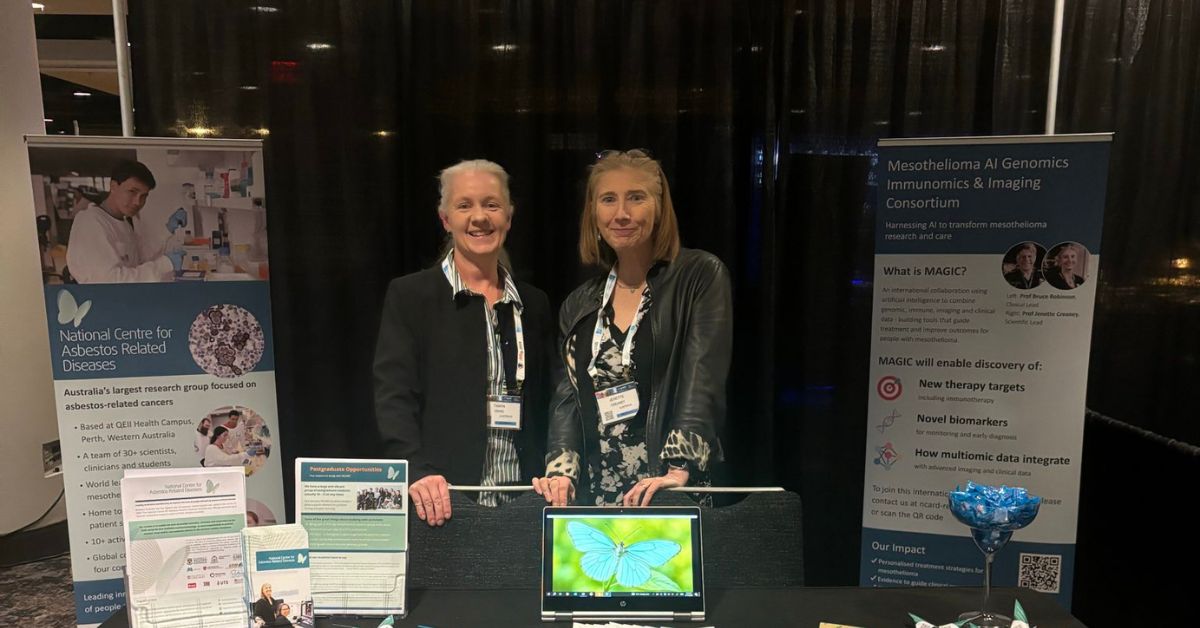
The 2025 International Mesothelioma Interest Group (iMig) conference in Philadelphia brought together researchers, clinicians and advocates from around the world to share the latest advances in mesothelioma research and care. NCARD was proud to contribute across multiple fronts – from scientific leadership and clinical trial updates to international collaborations that are shaping the future of the field.
Strong Australian Presence on the Global Stage
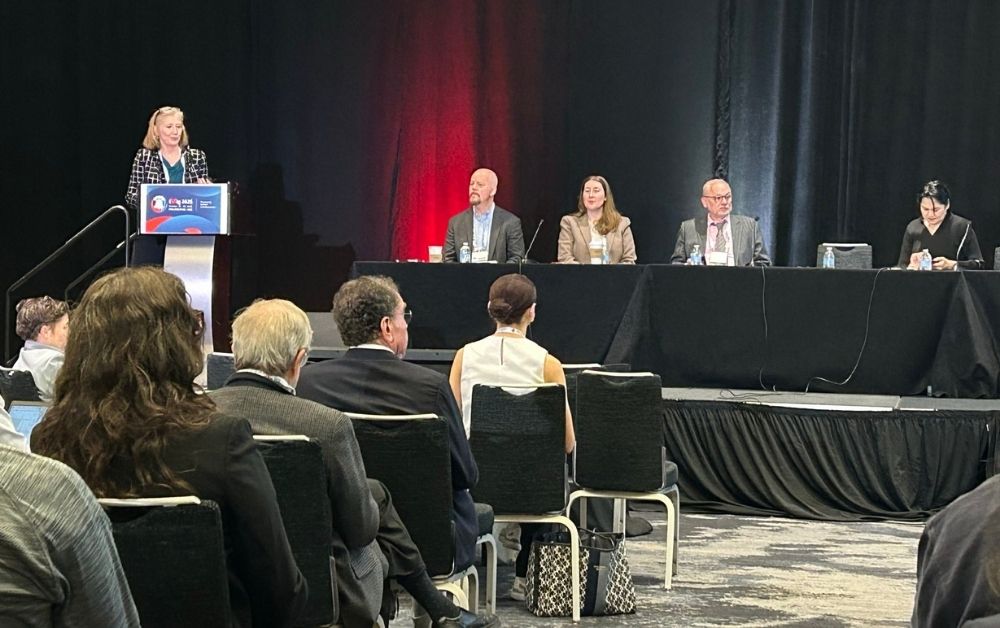
The conference marked a milestone moment for Australian mesothelioma research, with the formal announcement that Professor Anna Nowak has taken office as President of iMig. Elected by peers at the 2023 meeting in Lille, Prof Nowak’s presidency is a significant recognition of her career as a clinician-researcher and her contributions to mesothelioma research globally. A former NCARD Director and current Deputy Vice-Chancellor (Research) at UWA, Prof Nowak delivered the Presidential Address at the conference’s closing plenary and chaired multiple sessions during the event.
Her leadership reflects NCARD’s long-standing commitment to collaboration, innovation and improving outcomes for people affected by asbestos-related diseases.
Highlights from NCARD’s Scientific Program
NCARD researchers were featured across plenary sessions, scientific symposia, and poster presentations. Scientific Director Prof Jenette Creaney opened the conference with an international update on mesothelioma research in Australia and returned the following day to speak on future directions, including the role of T-cells and artificial intelligence in mesothelioma care and innovation.
Dr Kofi Stevens co-chaired the “In Vitro and In Vivo Models” session and presented his latest work on copper-targeting strategies to enhance immunotherapy. PhD student Jessica Boulter spoke on personalised neoantigen vaccines.
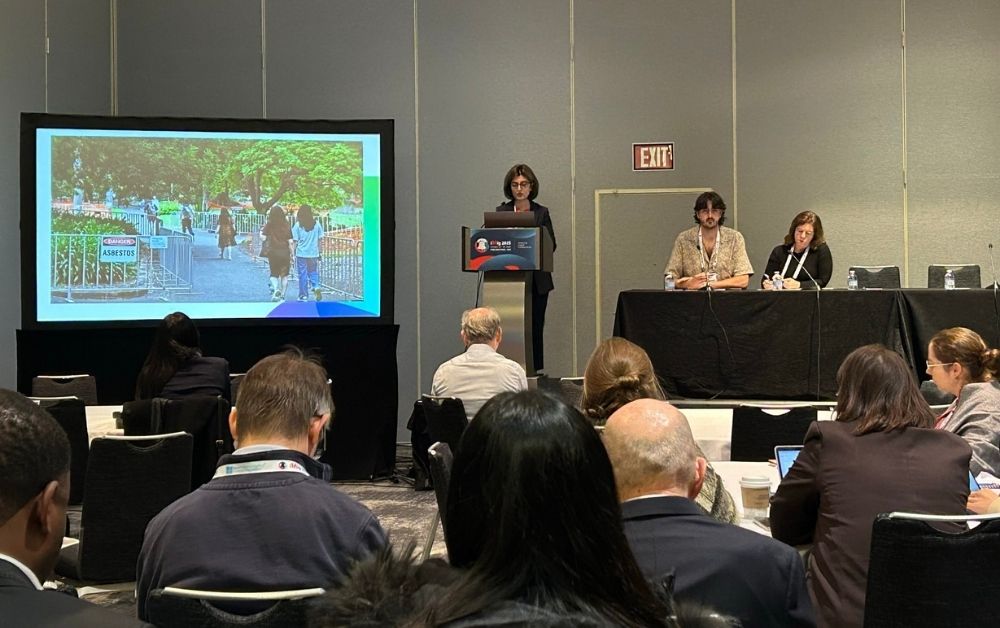
Prof Roslyn Francis, NCARD’s Clinical Director, was listed as chair of the “Novel Approaches in Imaging” session and as a contributor to the PD-L1 PET imaging study — a project exploring non-invasive prediction of treatment response. The session and presentation were delivered on her behalf by Prof Anna Nowak.
During the poster sessions, NCARD showcased translational research projects that span blood biomarkers, immune monitoring, imaging, and toxicity management – reflecting a whole-of-disease approach to improving patient outcomes.
Global Collaboration through the iMig Collaborative Group
Leading up to the conference, NCARD contributed to the iMig Collaborative Research Working Group, participating in fortnightly planning meetings and daily sessions during the conference itself. This culminated in the presentation of a proposed iMig master protocol to support future international collaboration and clinical trials.
The protocol outlines a shared framework for collecting harmonised baseline and outcome data across multiple countries, enabling meaningful comparisons across treatment settings. It also supports enhanced data sharing, aiming to accelerate translational research and industry engagement.
NCARD’s contribution to this work includes its leadership of the MAGIC project – the Mesothelioma Artificial Intelligence, Genomics and Immunomics Consortium – which uses machine learning to integrate clinical, molecular, and imaging data to support personalised treatment strategies.
Perth to Host iMig 2027
A key announcement at the conference’s close was that Perth will host the next iMig conference in 2027, marking only the second time the event has been held in Australia.
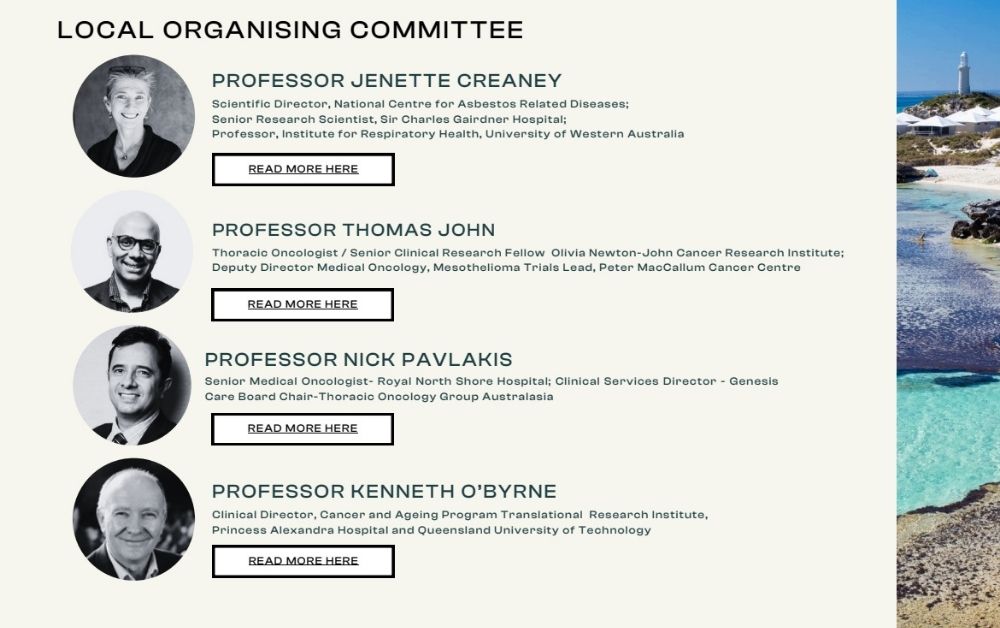
This successful bid was led by Professors Jenette Creaney, Tom John, Nick Pavlakis, and Ken O’Byrne, with strong support from Professor Nowak and the iMig Board. Hosting iMig in Perth reflects the global recognition of Australia’s contribution to mesothelioma research and provides an opportunity to showcase local innovations to the international community.
Looking Ahead
As iMig 2025 concludes, NCARD remains focused on advancing mesothelioma research through collaborative, multidisciplinary science. Whether through leading-edge clinical trials, foundational biomarker studies, or contributions to global data-sharing efforts, NCARD continues to work towards better outcomes for people affected by asbestos-related disease.
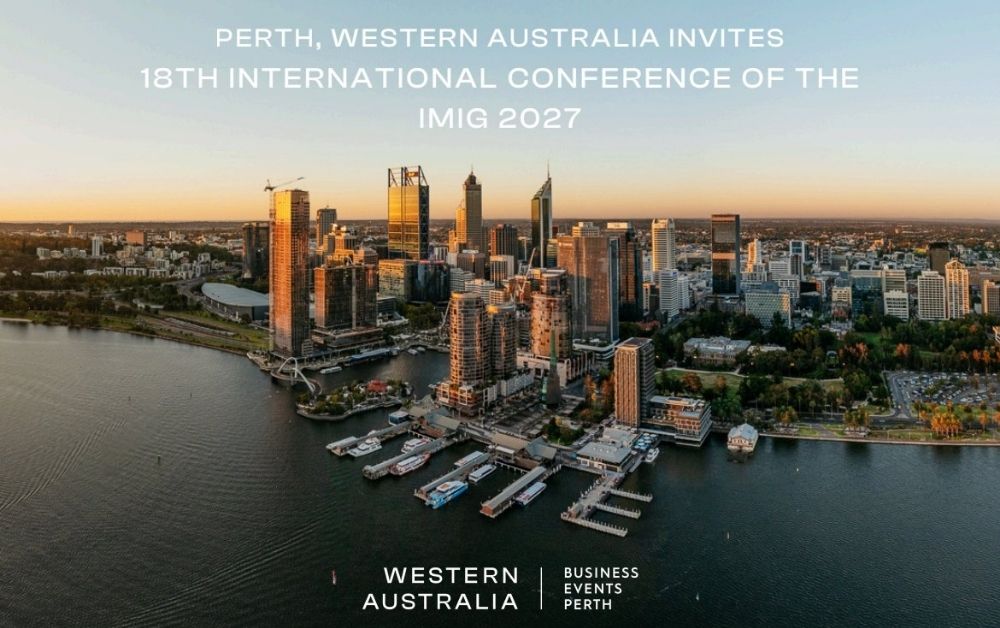
We look forward to welcoming the global mesothelioma community to Perth in 2027.

