
On 18 November 2025, the National Centre for Asbestos Related Diseases (NCARD) held its annual public lecture, bringing together researchers, clinicians, community members, and supporters to share the latest developments in asbestos-related disease research and care.
This year’s theme — New Approaches to Asbestos-Related Disease: Science, Care and Community — highlighted how scientific research, clinical practice, and culturally informed communication are improving outcomes for people affected by mesothelioma and other asbestos-related diseases.
The hybrid event, hosted at the QEII medical campus in Perth and live-streamed online, attracted attendees from across Australia and internationally. Around 30 people attended in person, with more tuning in online to hear from the distinguished speakers.
Speakers and Key Themes
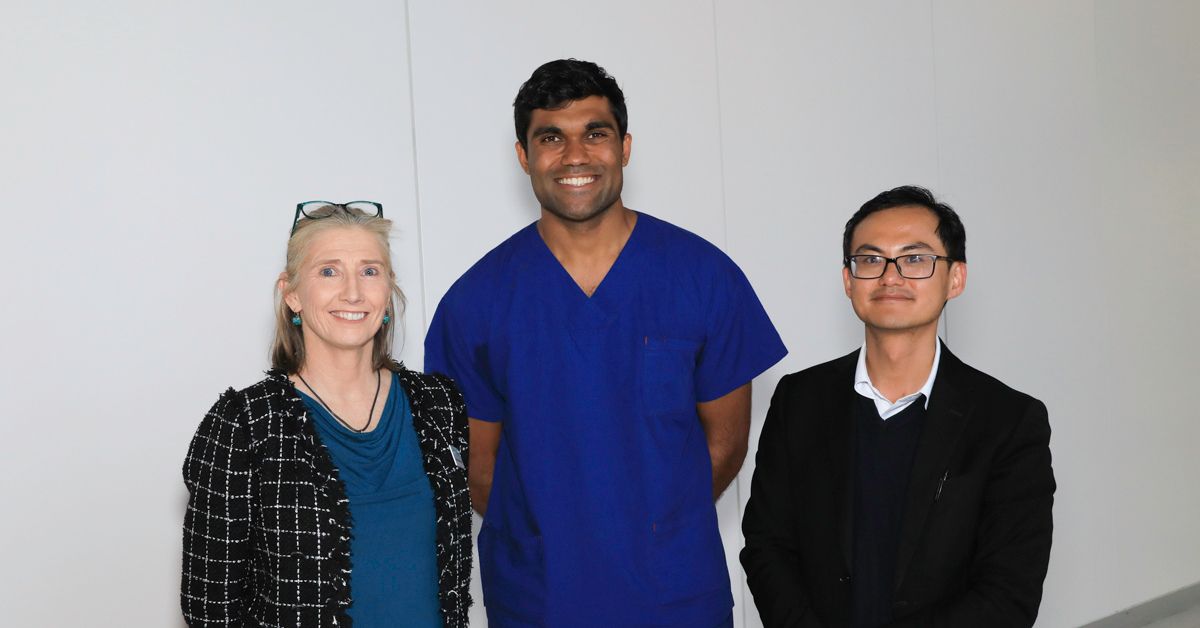
- Dr Melvin Chin, medical oncologist and clinician researcher at Sir Charles Gairdner Hospital and NCARD, opened the evening with a focus on hope and progress in mesothelioma treatment. He spoke about the evolving landscape of clinical care, noting that patients now have access to a broader range of treatment options, including chemotherapy, immunotherapy, and emerging personalised therapies. Dr Chin emphasised that improvements in early diagnosis and tailored treatment plans are leading to better quality of life and longer survival for many patients.
- Professor Jenette Creaney, NCARD Scientific Director, presented an overview of our Centre’s current research into asbestos-related diseases. Her talk covered the latest progress in diagnostics, biomarkers, and the development of targeted and personalised therapies for mesothelioma. Professor Creaney highlighted how NCARD’s collaborative and multidisciplinary approach is contributing to improved understanding and treatment of this complex disease.
- Dr Yarlalu Thomas, co-founder of Lyfe Languages and a doctor from the Warralong community, spoke on the importance of culturally appropriate health communication for Aboriginal and Torres Strait Islander peoples. He introduced the Lyfe Languages initiative, which supports translation of medical terms into Indigenous languages to improve access to care and informed decision-making.
The event was opened by NCARD’s Dr Kofi Stevens, who acknowledged the importance of continued mesothelioma research both in Australia and internationally. He highlighted NCARD’s role as one of the leading centres globally for asbestos-related disease research.
Watch the Lecture
The full recording of the 2025 Public Lecture is now available on YouTube:
Watch the video
Whether you attended in person, joined online, or missed the event, we invite you to watch and share the lecture with others who may benefit from the information presented.

